E-Wallet Expansion Fuels Extended Play in International Live Dealer Tables
Written by Yves Beck · Sep 10, 2026
E-Wallet Expansion Fuels Extended Play in International Live Dealer Tables
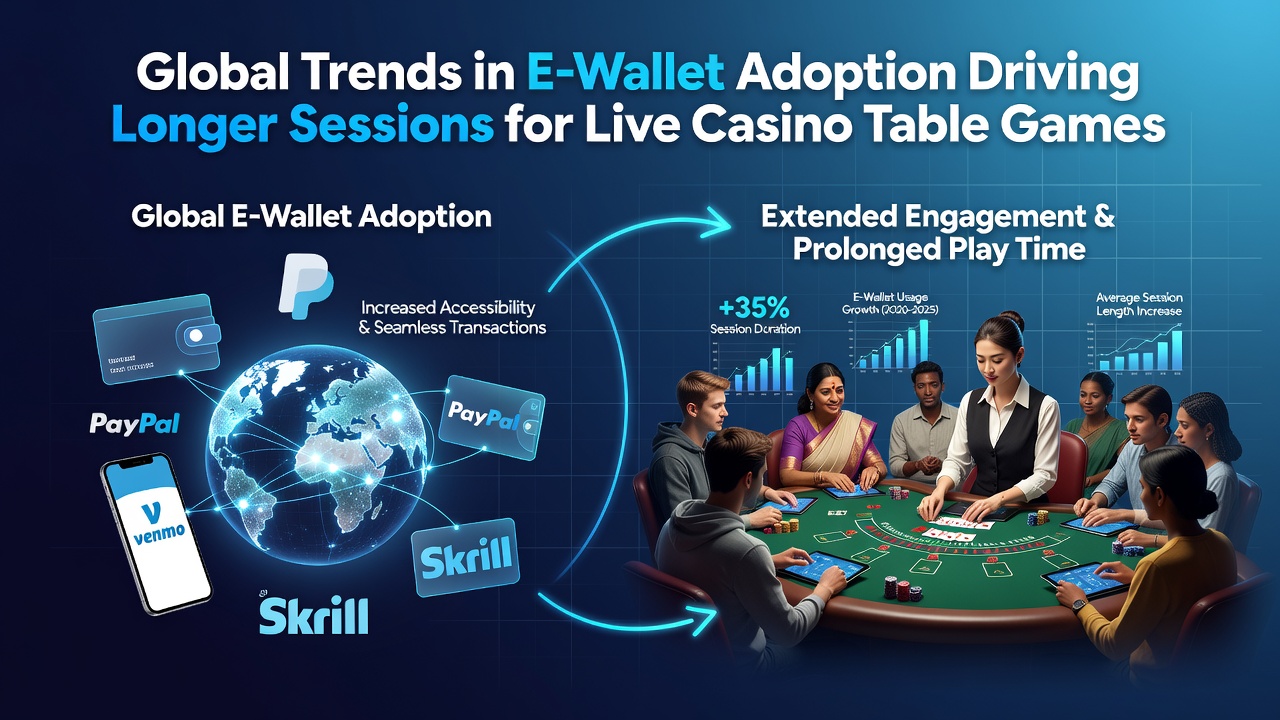
Global data from 2025 into September 2026 shows steady increases in e-wallet usage for live casino table games, with transaction records indicating longer average session durations across multiple regions. Payment platforms such as digital wallets and instant transfer services have reduced deposit times from several minutes to under 30 seconds in many cases, and operators report corresponding extensions in player engagement at blackjack, roulette, and baccarat tables.
Figures from industry monitoring groups reveal that markets in Asia-Pacific and parts of Europe recorded the highest e-wallet transaction volumes during the first half of 2026. These systems allow users to move funds directly from mobile banking apps or stored-value accounts into live dealer platforms without leaving the game interface, which keeps players seated at virtual tables for additional rounds rather than pausing to handle traditional banking steps.
Payment Speed and Session Metrics
Research conducted by payment analytics firms indicates that live table sessions involving e-wallet deposits average 18 to 22 minutes longer than those completed through card or bank transfer methods. The difference stems from fewer interruptions, since balance top-ups occur in the background while the dealer continues the game flow. In one dataset covering Southeast Asian operators, players who switched to e-wallets during a session extended their time at the table by an average of 27 percent.
Live dealer interfaces now integrate wallet APIs that display real-time balances and allow one-tap transfers, and this seamless connection removes the need for players to navigate external browser tabs or banking portals mid-game. Observers tracking user behavior note that such friction reduction correlates directly with higher round counts per hour at roulette and blackjack tables.
Regional Patterns in Adoption
Across North American regulated markets, state-level data shows gradual but consistent growth in e-wallet options for live casino products. Canadian provincial gaming authorities documented a 31 percent rise in e-wallet-funded live table play between January and August 2026, while Australian regulatory filings report similar upward trends tied to mobile wallet compatibility. In contrast, certain Latin American jurisdictions have seen slower uptake because of varying banking infrastructure, though cross-border wallet services have begun closing that gap.
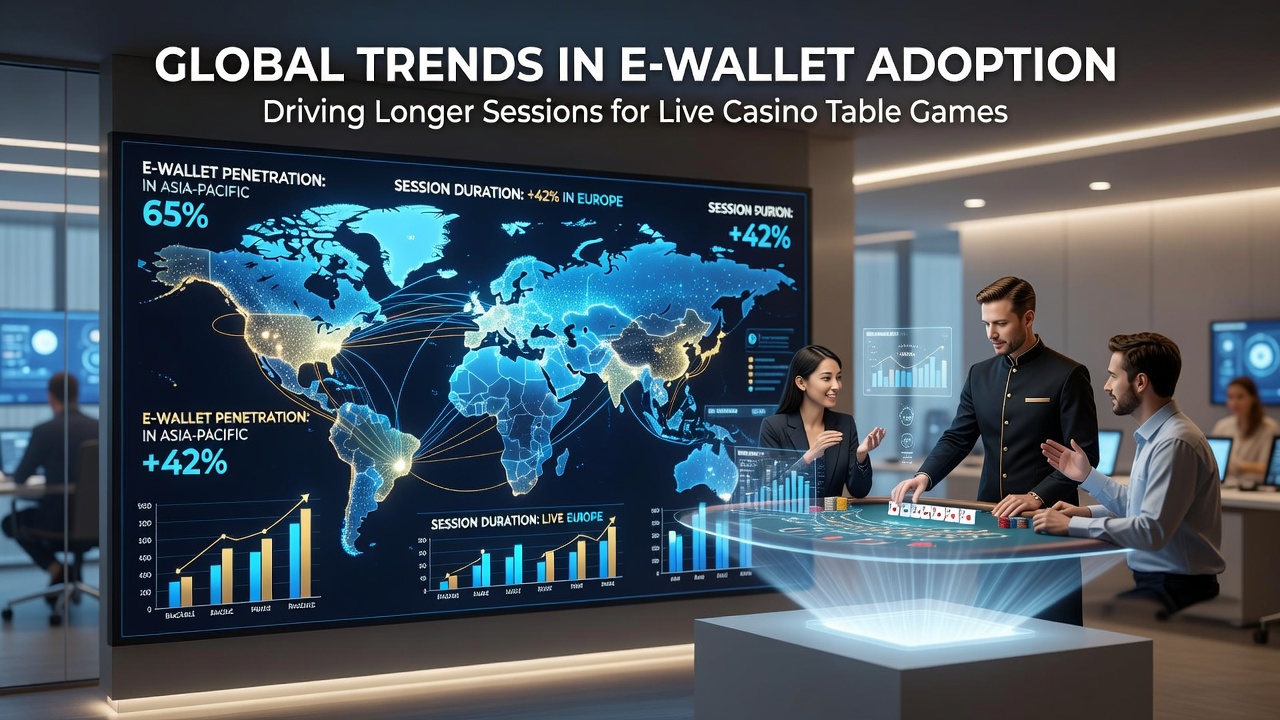
European operators outside the United Kingdom have incorporated local wallet solutions that comply with regional data rules, and transaction logs from these platforms indicate extended evening sessions particularly on weekends. Asian markets continue to lead in volume, with integrated super-app wallets handling the majority of live dealer deposits in several countries.
Table Game Categories Showing the Strongest Effects
Blackjack and baccarat tables display the clearest links between e-wallet adoption and session length, according to aggregated operator reports. These games involve repeated betting decisions that benefit from uninterrupted play, and players using instant funding maintain momentum through multiple shoe cycles. Roulette sessions also lengthen, though the effect appears slightly smaller because spin intervals already create natural pauses.
Multiplayer formats where chat and social features run alongside the dealer action show additional retention when deposits require no external redirects. Data from platform providers indicates that users who complete at least three deposits via e-wallet within a single login stay connected 35 percent longer than those relying on slower methods.
Security and Compliance Factors
Regulatory bodies in multiple jurisdictions have updated guidelines to cover e-wallet integration while maintaining responsible gambling controls. Singapore's gambling regulator and Canada's provincial oversight bodies both require transaction logging that matches player identity with wallet accounts, yet these checks occur in milliseconds and do not extend session breaks. Operators note that compliance layers built into modern wallet APIs keep approval times short enough to preserve game continuity.
Industry associations such as the European Gaming and Betting Association have published technical standards that encourage standardized APIs across wallet providers, and adoption of these standards has accelerated in 2026. The result appears in reduced error rates during transfers, which further supports continuous play at live tables.
Conclusion
September 2026 data confirms that e-wallet adoption continues to reshape session patterns in live casino table environments worldwide. Faster funding pathways align with extended engagement metrics, and regional variations reflect differences in infrastructure and regulation rather than uniform global trends. Operators and platform providers continue to refine integrations that support these payment flows while meeting compliance requirements across markets.